Split Screen / Lokaler Koop
Nein — Big Walk hat laut offizieller FAQ auf keiner Plattform Split Screen oder Couch-Koop. Lösung für denselben Raum: zwei Geräte per Crossplay.
Nein — Big Walk hat keinen Split Screen und kein lokales Couch-Co-op. Die offizielle FAQ und das Press Kit sind eindeutig: Das Spiel ist reines Online-Co-op, 2–12 Spieler, jeder Spieler auf seinem eigenen Gerät mit seinem eigenen Exemplar. Das gilt für jede Plattform, PS5 inklusive. Wenn du mit jemandem im selben Raum spielen willst, ist die Lösung zwei Geräte nebeneinander, verbunden per Crossplay — die komplette Anleitung steht unten.
Was die offiziellen Quellen sagen
Die offizielle Big-Walk-FAQ behandelt Couch-Co-op direkt: Big Walk ist als Online-Kooperatorfahrung entworfen, und das Press Kit listet den Multiplayer als „2–12 — Online-Co-op" ohne jeden lokalen Modus. Große Guides — IGNs Wiki, GamesRadar, Co-Optimus — berichten dasselbe: kein Split Screen, kein Shared Screen, kein Couch-Co-op, gleichermaßen auf PC, PS5 und Switch 2.
Die Architektur des Spiels erklärt warum. Big Walks Markenzeichen ist der proximity voice chat — Audio, das je nach Position jedes Spielers in der Welt dumpf wird, verklingt und hallt. Dieses System setzt voraus, dass jeder Spieler eigenen Bildschirm und eigene Klangperspektive hat. Die Rätsel bauen auf derselben Trennung auf: etwas, das du siehst, jemandem zu beschreiben, der es nicht sieht, hat keine Spannung, wenn ihr beide auf dieselbe Anzeige schaut.
Das ist also keine fehlende Funktion, die noch nachgereicht wird — es ist eine Designentscheidung. Mit einem späteren Split-Screen-Update zu rechnen ist nicht realistisch.
PS5 Split Screen: die konkreten Fakten
Wenn du wegen der PS5 hier bist, bedeuten diese Fakten auf dieser Plattform:
- Es gibt keinen Split-Screen-Modus auf der PS5. Eine Konsole, ein Exemplar, ein Spieler. Die zweite Person auf deiner Couch kann nicht mit einem zweiten Controller einsteigen.
- Die PS5-Version ist dieselbe Online-Build wie PC und Switch 2. Es gibt keinen plattform-exklusiven lokalen Modus.
- Jeder PS5-Spieler der Session braucht PlayStation Plus für Online-Play — relevant, wenn dein Partner im selben Raum eine zweite PS5 nutzt. Big Walk war zum Start allerdings PS-Plus-Monthly-Spiel, ein PS5-besitzender Freund hat es also vielleicht schon — Details im PS-Plus-Guide.
- Was ist mit Share Play? Sonys Share Play streamt deinen Bildschirm an einen Freund und unterstützt offiziell „gemeinsames Spielen" — gebaut um lokales Co-op und rundenbasierte Spiele, während Big Walk ein Echtzeit-Onlinespiel für bis zu 12 Spieler mit positionsabhängigem Audio pro Spieler ist. Wir haben Share Play mit Big Walk nicht getestet und keine offizielle Aussage dazu gefunden — betrachte das als unsere Schlussfolgerung, kein geprüfter Fakt. Verlass dich nicht darauf. Der verlässliche Weg ist das Zwei-Geräte-Setup unten.
So spielst du Big Walk mit jemandem im selben Raum
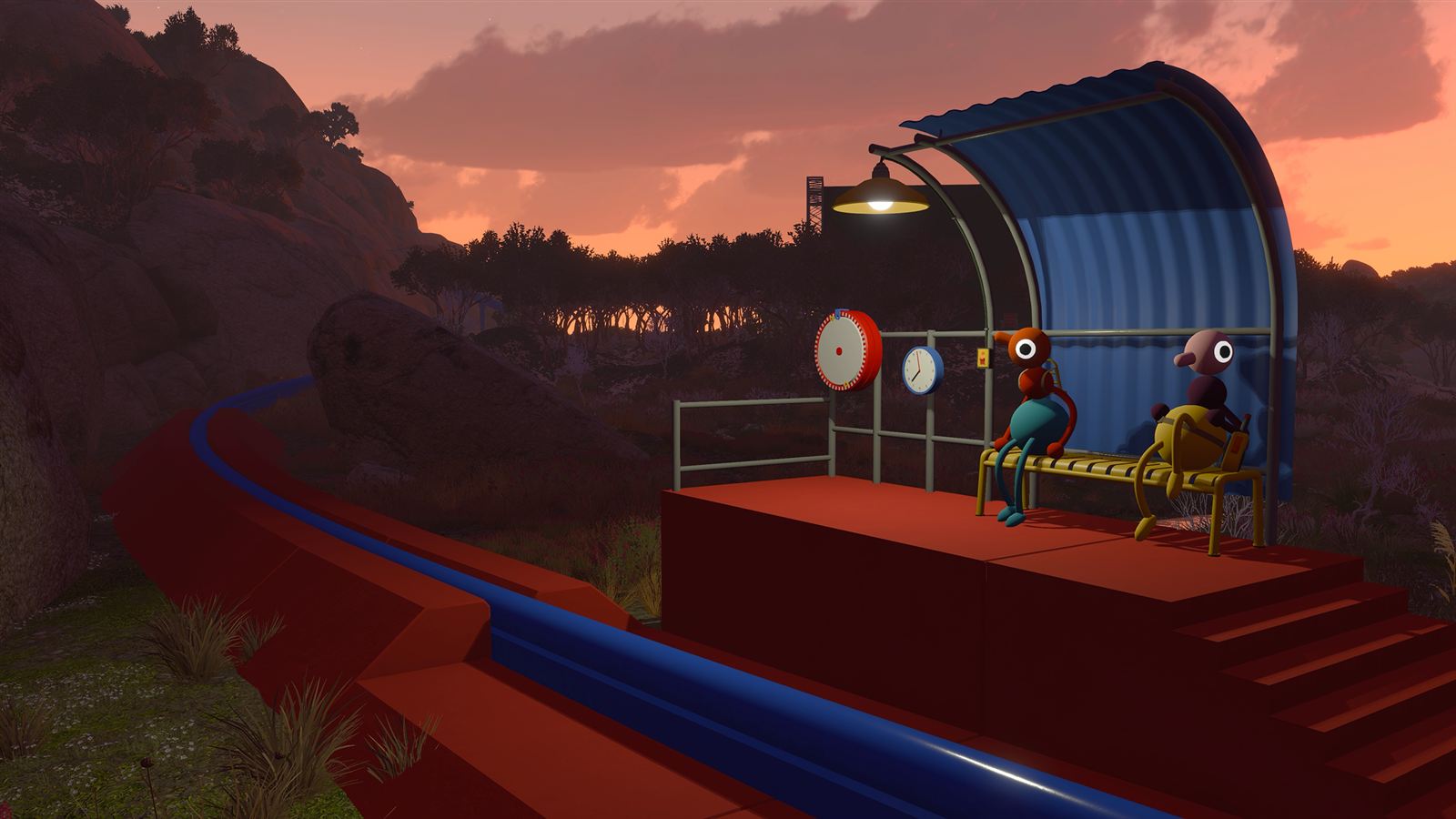
Das realistische Setup sind zwei Geräte nebeneinander — zwei PCs, PC und Laptop, PS5 und Switch 2, jede Kombination — jeweils mit eigenem Exemplar des Spiels, verbunden per Crossplay, und jeder Spieler trägt eigene Kopfhörer.
- Host festlegen. Wer die stabilere Maschine oder Verbindung hat, hostet über Host Game im Hauptmenü; der Spielstand baut sich auf dem des Hosts auf. Wo der Session-Code erscheint und wie die andere Person ihn eingibt, zeigt Schritt für Schritt unser Join-Codes-PS5-Guide.
- Beide Spieler tragen Kopfhörer. Das zählt hier mehr als in jedem anderen Spiel: Über Lautsprecher hört ihr euch doppelt — einmal über die In-Game-Proximity-Audio, einmal quer durch den Raum. Die offizielle FAQ warnt selbst vor diesem Effekt, wenn Spieler einen Raum teilen.
- Vom zweiten Gerät aus beitreten — über Join Game mit dem Code des Hosts. Crossplay zwischen den vier Plattformen ist eine bestätigte, ausgelieferte Funktion; der Abstand zwischen euren Couchs ist fürs Netzwerk irrelevant.
- Bei Echo-Störung: getrennte Räume. Der praktische Vorschlag der offiziellen FAQ für Spieler am selben Ort: spielt in verschiedenen Räumen — so bleibt der „durch die Wand gedämpft"-Effekt erhalten, auf dem das Spiel aufbaut.
Das ist anspruchsvoller als klassisches Couch-Co-op — zwei Geräte, zwei Exemplare —, aber es ist der einzige Weg zur beabsichtigten Erfahrung, und es funktioniert heute ohne jedes Warten. Für Paare und WG-Mitbewohner bleibt der Komfort des gemeinsamen Spielens erhalten, während das Spiel seine Trennung behält: Ihr verliert euch weiter im Dunkeln — nur mit jemandem, den du nach der Session mit dem Ellbogen anrempeln kannst.
Warum diese Frage immer wieder kommt
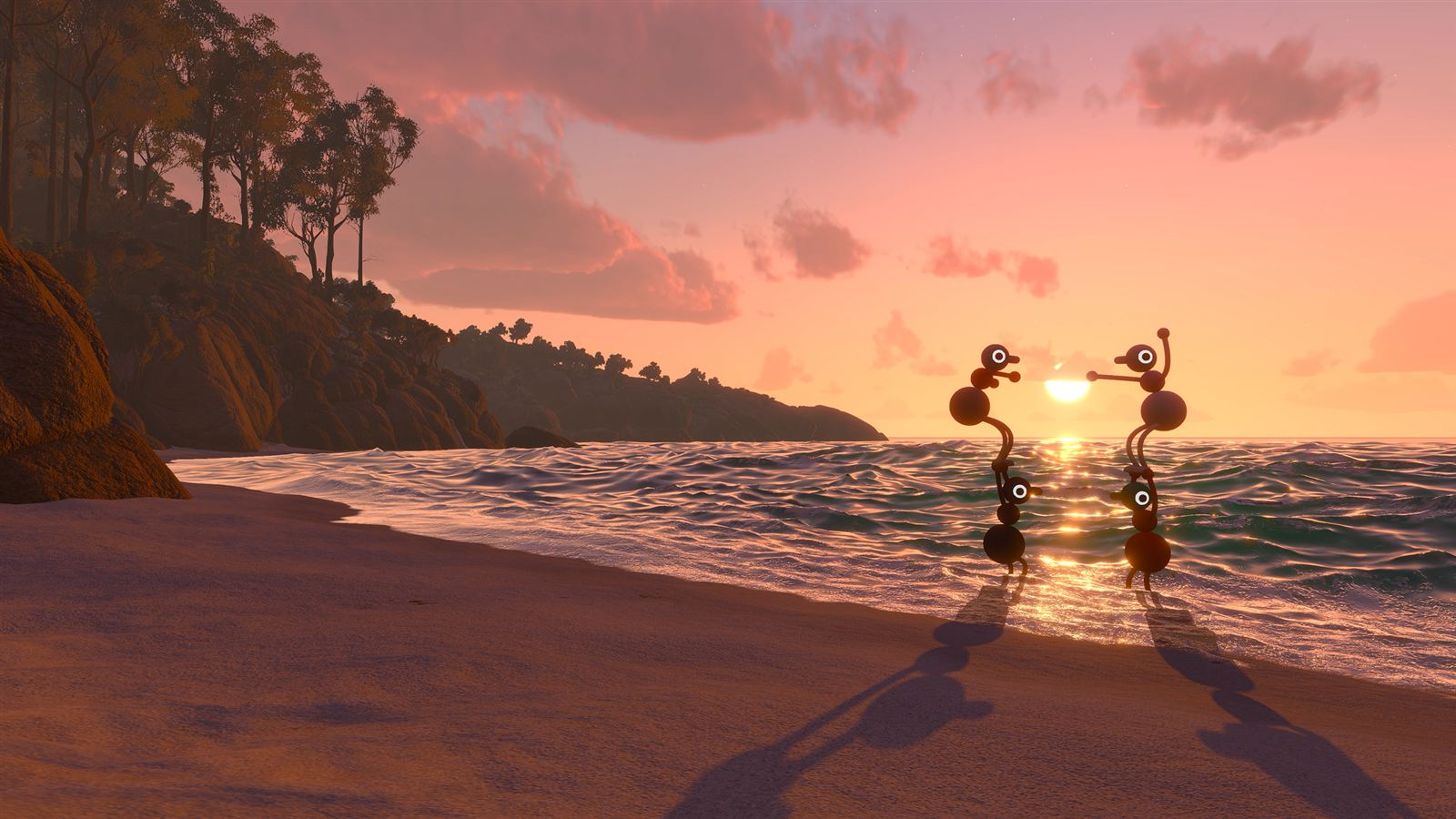
Die Verwirrung ist verständlich. Big Walk sieht aus wie ein Couch-Spiel: alberne Charaktere aus gestapelten Farbkugeln, grelle spielzeugartige Monumente, offene Party-Energie, ein Platz unter den „spiel mit deinen Freunden"-Indie-Hits. Die ganze Ausstrahlung suggeriert Wohnzimmer und geteilter Bildschirm.
Aber Ausstrahlung und Architektur zeigen in entgegengesetzte Richtungen. Pro-Spieler-Proximity-Audio, getrennte Teammitglieder, Informationen, die einer sieht und der andere nicht — das ist ein Online-Design von Grund auf, und deshalb geben alle offiziellen Quellen dieselbe schlichte Antwort. Wenn Split Screen für dich ein K.-o.-Kriterium ist, ist der ehrliche Rat: Big Walk überspringen. Nichts auf irgendeiner Roadmap deutet an, dass es kommt.
Zusammenfassung
Big Walk unterstützt weder Split Screen noch lokales Couch-Co-op auf irgendeiner Plattform, PS5 inklusive — bestätigt durch offizielle FAQ und Press Kit. Das Spiel ist reines Online-Co-op, 2–12 Spieler, gebaut auf Proximity-Voice-Chat pro Spieler. Fürs Spielen mit jemandem neben dir: zwei Geräte, zwei Exemplare, Kopfhörer, Crossplay — das Session-Setup erklärt der Join-Codes-Guide, die komplette Plattform-Matrix unser Big-Walk-Crossplay-Guide.
Quellen
- Offizielle Big-Walk-FAQ — House House — Online-Co-op-Design, Audio-Warnung am selben Ort, getrennte Räume als Vorschlag
- Offizielles Big-Walk-Press-Kit — Multiplayer gelistet als „2–12 — Online-Co-op"
- IGN Wiki — Big Walk — kein Split Screen / lokales Co-op
- GamesRadar — Big Walk multiplayer guide — reines Online-Co-op, Crossplay-Setup
- Co-Optimus — Big Walk — Couch-Co-op nicht unterstützt
- PlayStation Store — Big Walk — PS-Plus-Voraussetzung für Online-Play
VERWANDTE BIG WALK THEMEN
Diese verwandten Seiten vervollständigen das Bild: