Solo / Einzelspieler
Nein — Big Walk ist reines Koop-Spiel. Du brauchst mindestens einen Freund online; einen Einzelspielermodus gibt es nicht.
Nein — Big Walk kannst du nicht solo spielen. Es ist ein reines Koop-Spiel ohne Einzelspielermodus. Du brauchst mindestens eine weitere Person online, um eine Sitzung zu starten, und das Spiel skaliert bis zu 12 Spieler. House House hat Big Walk von Grund auf um kooperative Kommunikationsrätsel herum gebaut, daher ist Alleinspielen kein unterstützter Modus — er existiert nicht im Spiel. Wenn du ein Solo-Abenteuer suchst, ist das hier nicht das Richtige.
Big Walk ist absichtlich nur Koop
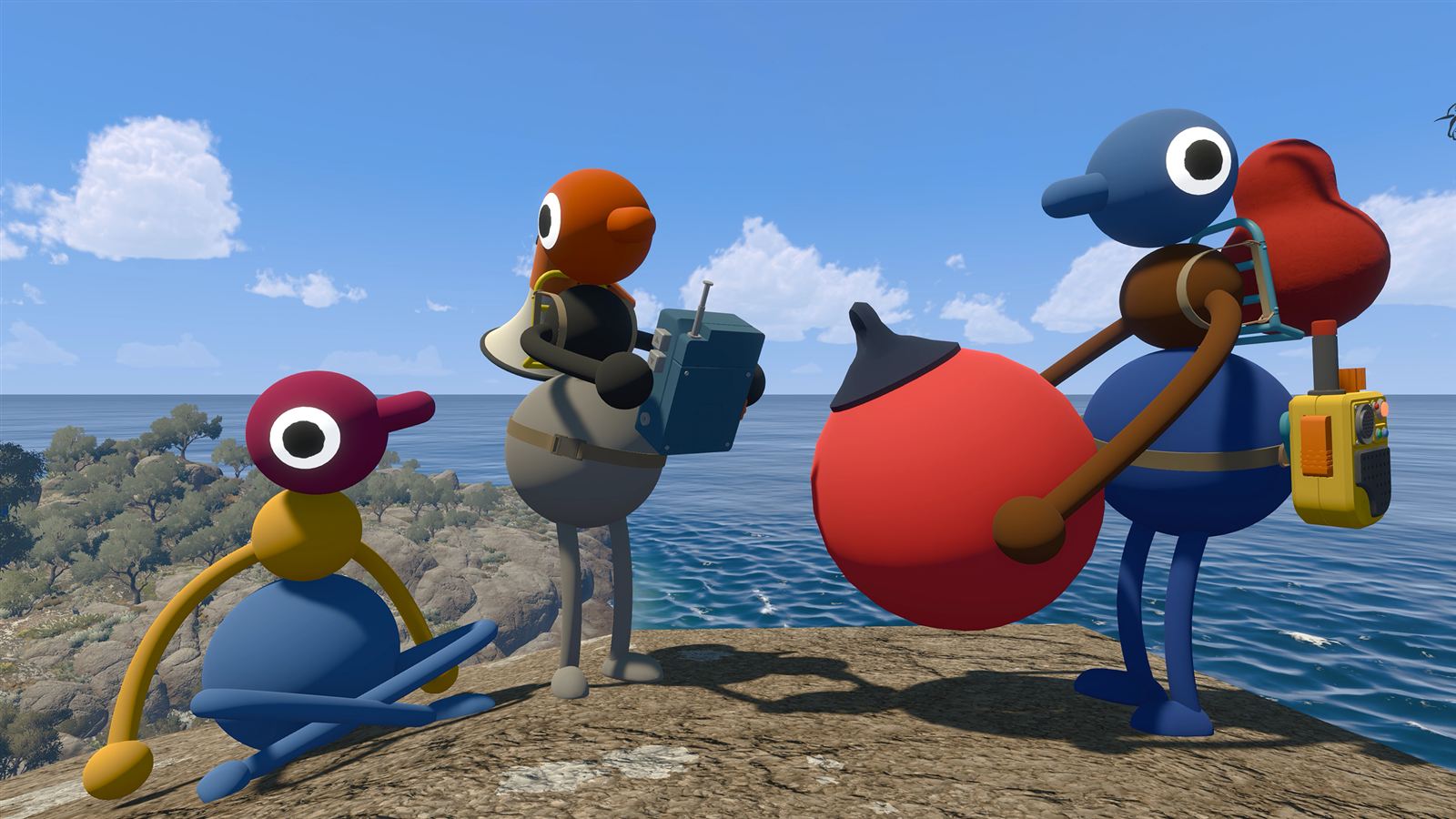
Das gesamte Design von Big Walk hängt davon ab, dass mindestens zwei Personen mitspielen. Die Kernmechanik ist Kommunikation unter Einschränkung: Umgebungs-Sprachchat, der mit der Entfernung leiser wird, durch Wände gedämpft wird, in Tunneln hallt und über Walkie-Talkies knistert. Die Rätsel sind darauf ausgelegt, dass zwei oder mehr Spieler versuchen, Informationen über Hindernisse hinweg auszutauschen — schalldichte Räume, Entfernung, Dunkelheit, begrenzte Werkzeuge. Ein Solo-Spieler hätte niemanden, mit dem er kommunizieren könnte, was das gesamte Spiel auflösen würde.
House House ist dazu ausdrücklich. Die offizielle Beschreibung stellt Big Walk als „ein handgefertigtes Koop-Abenteuer, das von Anfang bis Ende mit einer Gruppe Freunden gespielt werden soll" dar. Kotakus Rezensent betonte denselben Punkt: Das ist kein Einzelspielerspiel mit optional angeflanschtem Koop — du musst es mit mindestens einer weiteren Person spielen, und bis zu elf weiteren.
Es gibt keinen Mittelweg und keine Umgehung. Keine Bot-Auffüllung, kein Offline-Solo-Modus, keine Möglichkeit, die Kampagne allein zu erleben. Jedes Gebäude, das ein Rätsel enthält, enthält eines, das — so der Rezensent — mehr als eine Person zum Lösen braucht.
Warum es keinen Einzelspielermodus gibt
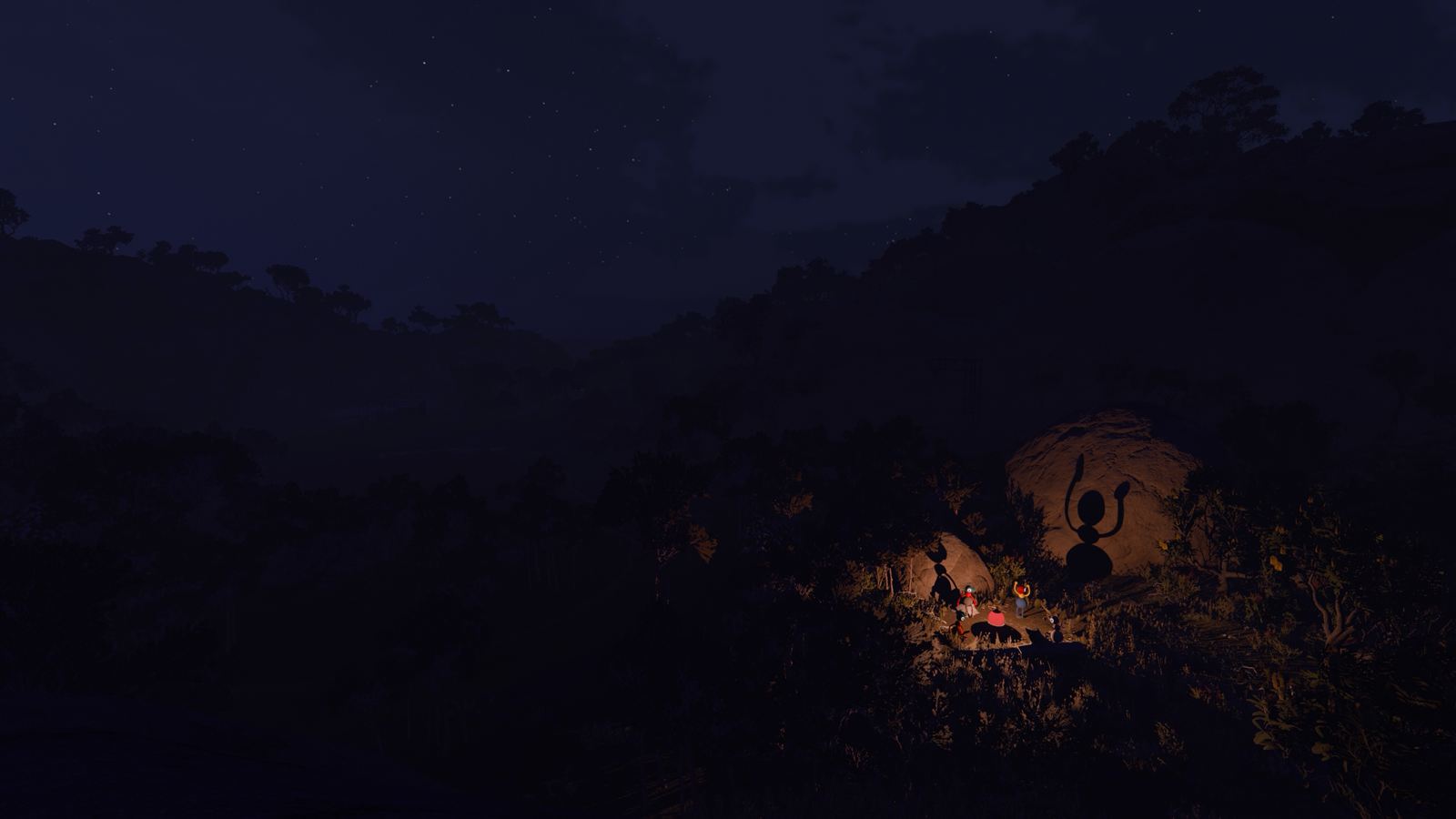
Der Grund, warum es keinen Solo-Modus gibt, ist der Grund, warum Big Walk überhaupt existiert: Seine Rätsel sind Kommunikationsrätsel. Viele Herausforderungen trennen Spieler durch schalldichte Wände oder große Entfernungen und zwingen sie, Signalsysteme mit Taschenlampen, Laserpointern, Armgesten und Walkie-Talkies zu erfinden. Ein denkwürdiges Rätsel lässt einen Spieler eine Augenbinde tragen (einen riesigen goldenen Kopf) und einen Hindernisparcours bewältigen, während Teamkollegen Anweisungen zurufen. Nichts davon funktioniert mit einer Person.
Rezensenten heben durchgängig hervor, dass Big Walks Magie das gemeinsame, im-Raum-Gefühl ist, sich abzumühen, jemandem zu beschreiben, was man sieht, der es nicht sehen kann. Nimm den zweiten Spieler heraus, hast du das Spiel herausgenommen. Selbst das Ende baut darauf: Das Finale testet das Vertrauen und die Körpersprache, die deine Gruppe über die gesamte Kampagne aufgebaut hat — und das bedeutet nur etwas, wenn andere Menschen dabei waren, um es mit dir aufzubauen.
Sogar die kleineren sozialen Mechaniken setzen eine Gruppe voraus. Du kannst die Farben deiner eigenen Figur nicht selbst bemalen — ein Freund muss das mit dem Pinsel tun. Von der ersten Tutorial-Stunde bis zum letzten Rätsel gibt dir das Spiel ständig Dinge, die du allein physisch nicht schaffen kannst.
Kann man stattdessen mit Fremden spielen?
Wenn du keine Freunde rekrutieren kannst, ist das Spielen mit Fremden technisch möglich — Rezensenten erwarten, dass sich eine Community um das Verbinden von Big Walk-Spielern bildet, und viele Menschen werden auf diese Weise ihren Spaß haben. Aber jede Bewertung zeigt in dieselbe Richtung: Dieses Spiel gehört zu Menschen, die du kennst.
Die Kampagne baut auf sich selbst auf. Die gemeinsame Sprache, die deine Gruppe erfindet — eure Namen für die roten Objekte, eure Signalcodes, eure Insiderwitze darüber, wer die Taschenlampe eine Klippe hinunterfallen gelassen hat — ist der eigentliche Inhalt von Big Walk. Ein wechselnder Reigen von Fremden kann die Rätsel lösen, aber er trägt euer Gruppen-Vokabular nicht mit sich. Die ehrliche Antwort für einen Solo-Spieler lautet also: Selbst der Weg „spiele mit Fremden" ist in Wirklichkeit ein Weg „mach schnell ein paar Freunde".
Lässt sich Big Walk nach dem ersten Durchgang nochmal spielen?
Selbst abgesehen von der Koop-Anforderung wird Big Walk weithin als Einmal-Erlebnis beschrieben — seine Kraft kommt aus Überraschung und Entdeckung, und sobald deine Gruppe die Rätsel kennt, ist vieles der Magie verbraucht. Ein Rezensent brachte es auf den Punkt: Er könne sich nicht vorstellen, es jemals ein zweites Mal zu spielen, denn „sobald du die Tricks kennst, kannst du nicht mehr von ihnen überrascht werden." Big Walk ist also weder solo-tauglich noch besonders wiederspielbar nach der ersten Kampagne.
Es gibt Vorbehalte, die du kennen solltest, bevor du es strikt als Einmal-Ding behandelst. Du musst nicht jedes Rätsel abschließen, um die Credits zu erreichen, also kann eine Gruppe nach dem Story-Ende weiter erkunden und übrig gebliebene Herausforderungen abarbeiten. Rezensenten haben außerdem angedeutet, ohne etwas zu verraten, dass es ein Post-Game-Irgendetwas jenseits des Endes gibt, für das sich Gruppen Zeit für eine Rückkehr nehmen. Und das Spiel verfolgt 12 Erfolge für Gruppen, die einen Completionist-Grund zum Bleiben wollen.
Plane deinen einzigen Durchlauf entsprechend. Rezensenten verbrachten fast zwanzig Stunden damit, mit ihren Gruppen die Insel zu durchstreifen, und der empfohlene Rhythmus ist etwa ein Abend pro Woche für ungefähr einen Monat. Das ist die Form der Erfahrung, für die Big Walk entwickelt wurde — eine durchgehende Kampagne mit denselben Menschen, kein Spiel, das du jede Saison neu installierst.
Nichts davon macht Big Walk zu einem wiederspielbaren Live-Service-Spiel. Es bedeutet, dass der eine große Walk an den Rändern ein wenig mehr zu bieten hat, als die Credits vermuten lassen. Plane eine großartige Kampagne ein, behandle alles danach als Bonus — und genieße sie.
Ein Freund reicht zum Starten
Die gute Nachricht für den Fast-Solo-Spieler: Die Mindestgruppe sind zwei, und House House hat explizit dafür entworfen. Der 2-Spieler-Modus wird als „ein fokussiertes Koop-Erlebnis" beworben, mit leicht angepassten Rätseln, damit ein Paar alles lösen kann. Ein Duo kann die gesamte Kampagne von Anfang bis Ende tragen, ohne je ein drittes Mitglied zu rekrutieren.
Wenn du also genau einen bereiten Freund hast — einen Partner, ein Geschwister, einen festen Koop-Kumpel — funktioniert Big Walk. Wofür es keinen Modus gibt, ist die Zahl eins. Der Sprung von einem auf zwei Spieler ist der Sprung von nicht unterstützt zu vollständig unterstützt, und es ist der einzige Sprung, den du machen musst.
Was Solo-Spieler stattdessen tun sollten
Wenn du in erster Linie Solo-Spieler bist, hast du zwei realistische Wege mit Big Walk:
- Stelle eine Gruppe für eine fokussierte Kampagne zusammen. Big Walk ist darauf ausgelegt, mit einer festen Gruppe von Anfang bis Ende über etwa einen Monat wöchentlicher Sitzungen gespielt zu werden. Behandle es wie einen Leseclub: Werbe ein paar Freunde, lege einen festen Abend fest und beendet es gemeinsam.
- Lass es, wenn „nur solo" deine eiserne Regel ist. Es gibt keine Möglichkeit, Big Walk zu einem Solo-Spiel zu machen, und nichts in den offiziellen Features oder den Bewertungen deutet darauf hin, dass ein Solo-Modus kommt.
Crossplay hilft beim ersten Weg — du kannst Freunde von PC, Mac, PS5 und Switch 2 in eine Sitzung holen, also ist die Plattform-Zersplitterung kein Hindernis. PS5-Freunde konnten das Spiel zum Start sogar kostenlos über PS Plus bekommen, was die Hürde senkt. Das Hindernis ist ausschließlich, ob du die Menschen zusammenbekommst.
Das Zeitlichkeitsargument für jetzt statt „irgendwann": Big Walks Magie ist spoiler-empfindlich. Jeder Freund, der später spielt, ist ein Freund, der die Geschichten, die Rätsel-Tricks und das Ende schon gehört hat. Deine Gruppe zu versammeln, solange das Spiel frisch ist, ist nicht nur Terminplanung — es ist die Art, wie du deinen einen Durchlauf schützt.
Zusammenfassung
Big Walk kann nicht solo gespielt werden — es ist reines Koop und verlangt mindestens einen Freund online (bis zu 12). Das gesamte Spiel basiert auf Kommunikationsrätseln, die zwei oder mehr Menschen brauchen, daher existiert kein Einzelspielermodus. Es ist zudem größtenteils ein Einmal-Erlebnis statt eines wiederspielbaren, mit nur übrig gebliebenen Rätseln, einem angedeuteten Post-Game-Irgendetwas und 12 Erfolgen jenseits der Credits. Versammele eine Gruppe für eine einzige Kampagne von Anfang bis Ende — oder wähle ein anderes Spiel, wenn du nur allein spielst.
VERWANDTE BIG WALK THEMEN
Diese verwandten Seiten vervollständigen das Bild: