Tests
IGN, Kotaku, GameSpot und Polygon loben Big Walk — einige nennen es eines der besten Spiele des Jahres 2026.
Big-Walk-Reviews sind durchweg positiv. Kritiker von IGN, Kotaku, GameSpot und Polygon haben es alle gelobt, mindestens einer nennt es „eines der besten Spiele 2026". Das Lob kreist um eine einzige Idee: Big Walk macht die Kommunikation selbst zum Rätsel und nutzt Näherungs-Sprachchat und eingeschränkte Werkzeuge auf eine Weise, die kein anderes Koop-Spiel bietet. Die Urteile stehen seit dem Start am 4. August 2026 — und wenn du entscheidest, ob sich Big Walk lohnt, ist der kritische Konsens ein deutliches Ja, sofern du Freunde hast, mit denen du es spielst.
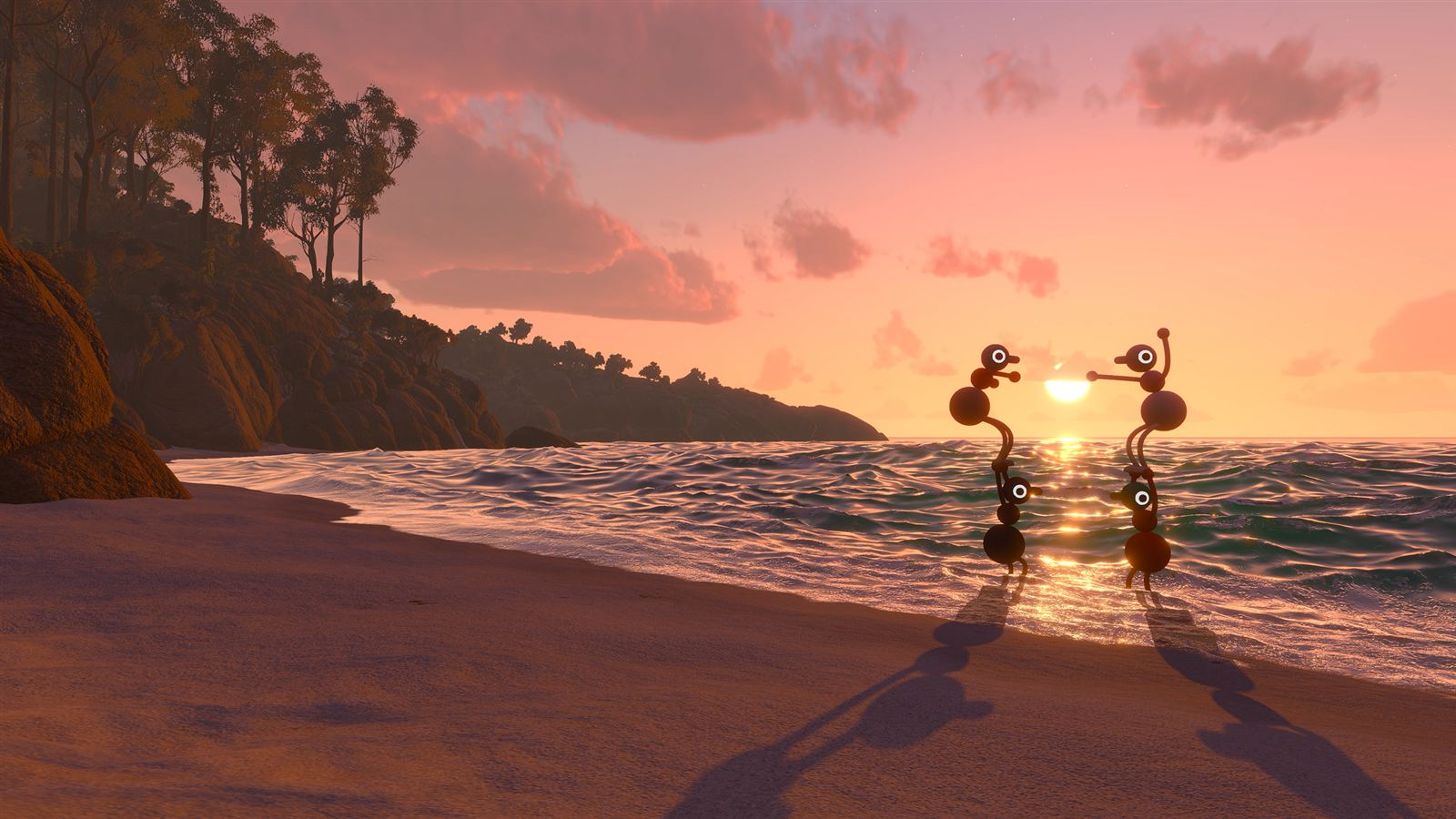
Die Wertungen auf einen Blick
- Metacritic: 93–94 auf dem PC (rund 25 Reviews) — die bestbewertete Neuerscheinung 2026 bislang; die PS5 liegt in den mittleren 80ern, OpenCritic bei 89.
- Eurogamer: 5/5 — Insider Gaming: 10/10 — GameSpot: 9/10.
- Die einzige wiederkehrende Kritik im Pool: Figuren hängen im bergigen und felsigen Gelände fest.
Vollständige Aufschlüsselung auf unserer Metacritic-Score-Seite.
Was die Kritiker sagen
Der rote Faden durch die Big-Walk-Reviews ist, dass das Kommunikation-als-Rätsel-Design wirklich neuartig ist. Rezensenten beschreiben Momente von Lachen, Entdeckung und sogar emotionaler Wirkung, die natürlich daraus entstehen, dass man versucht, Teammitgliedern zu beschreiben, was man sieht — die es nicht sehen oder hören können. Der Näherungs-Sprachchat — Stimmen, die über Distanzen leiser werden, durch Wände gedämpft werden, in Korridoren hallen und über Funkgeräte knistern — wird wiederholt als der Mechanik-Kern genannt, der das Ganze trägt.
Mehrere Rezensenten heben das Ende als Höhepunkt hervor und nennen es unerwartet emotional und die Reise wert. Der Konsens: Big Walk ist ein handgefertigtes Koop-Abenteuer, das am besten von Anfang bis Ende mit einer festen Gruppe Freunden gespielt wird. Zwei Medien berichteten unabhängig voneinander, je etwa 20 Stunden mit dem Spiel verbracht zu haben und noch Rätsel übrig zu behalten — was zeigt, wie substanziell die Kampagne ist; das ist kein kleiner Koop-Streich für einen Abend.
IGNs Sicht
IGNs Review lobt Big Walk als cleveres Koop-Rätselabenteuer, das Kommunikation wie kein anderes Spiel einsetzt. Der Rezensent verbrachte fast 20 Stunden über mehrere Sitzungen mit einer Kerngruppe und hob hervor, wie das Spiel die Spieler drängt, eine eigene gemeinsame Sprache zu entwickeln — die unbenannten Objekte der Welt zu benennen und Kommunikationssysteme aufzubauen, die einzigartig für ihre Gruppe sind. Weil so vieles in Big Walk ohne Namen ausgeliefert wird, ist jede Gruppe gezwungen, ihr eigenes Vokabular zu erfinden — und dieses Vokabular wird etwas, das nur eure Gruppe versteht.
IGN sieht darin den Genius des Spiels: Die Rätsel sind clever, aber das tiefere Vergnügen ist es, die Logik der Welt in einer Weise zu entschlüsseln, die nur du und deine Begleiter teilen werden. Der Näherungs-Chat wird als essenziell für das Erlebnis beschrieben, und das Review argumentiert, Big Walk wäre ohne ihn nicht dasselbe. Das Fazit des Rezensenten: Beziehungen und Sprache sind hier die echte Superkraft — die Welt dreht sich nicht um einen einzelnen Spieler, sondern um die Gruppe.
Kotakus Sicht
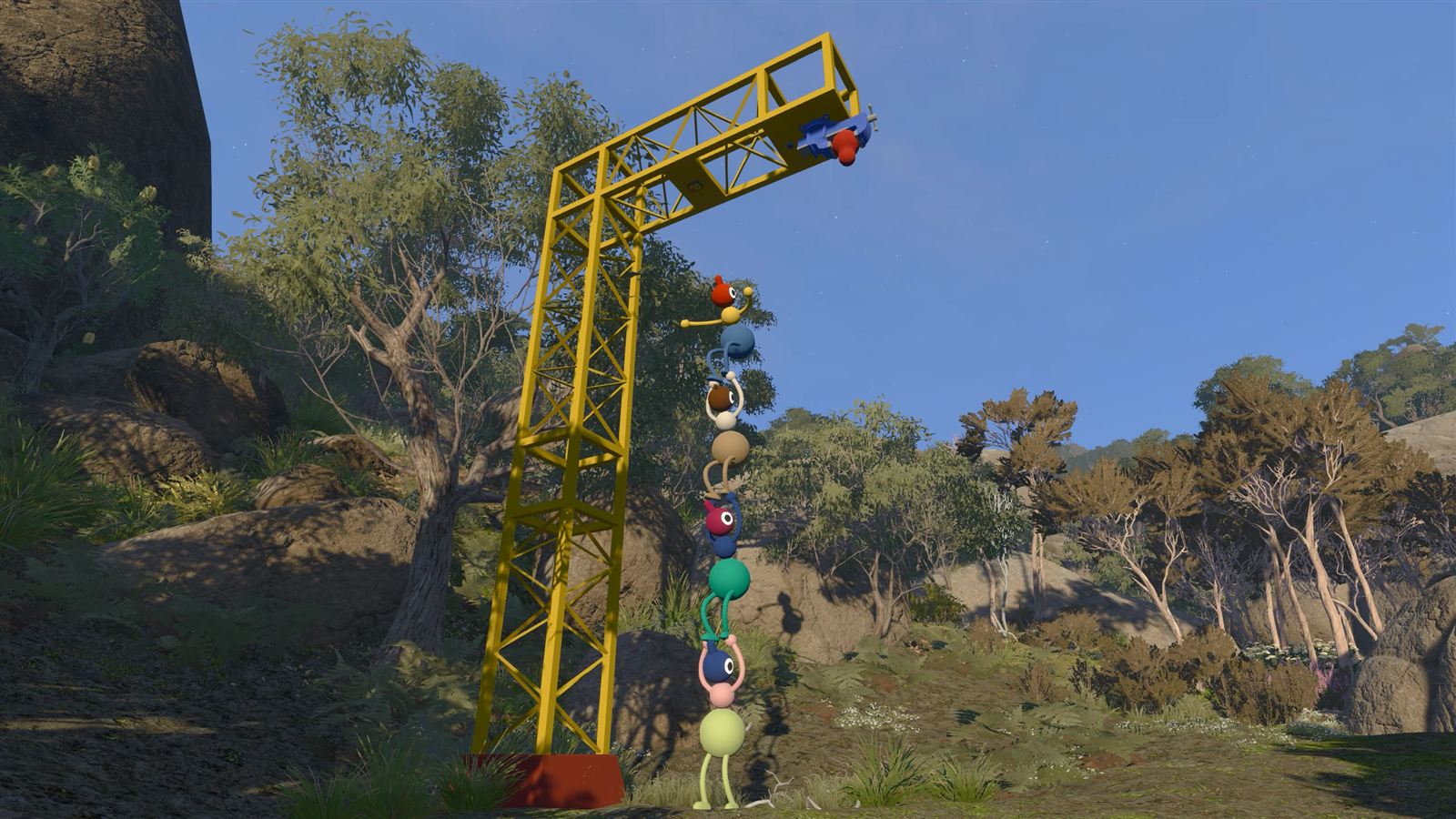
Kotakus Review ist überschwänglich, nennt Big Walk eines der besten Spiele 2026 und betont die Freude seiner emergenten, verrückten Momente. Der Rezensent setzt sich direkt mit dem „Friendslop"-Label auseinander, das Freundesgruppen-Koop-Spielen oft angehängt wird, und weist es für Big Walk zurück — er beschreibt das Spiel stattdessen als sauber, aufrichtig und sogar liebevoll; etwas, das den Rezensenten bei der Erinnerung an Momente aus dem eigenen Durchlauf immer wieder Tränen in die Augen trieb.
Kotakus Kernargument: Big Walk ist am besten, wenn du und deine Freunde gemeinsam „richtig dumm" seid — das Lachen kommt aus dem, was das Spiel zwischen Menschen ermöglicht, nicht aus irgendeinem geskripteten Ereignis. Die zitierten Momente sind verräterisch: ein Freund, der falsch singend ins Funkgerät hält, Spieler, die einander hochheben und von hohen Türmen werfen, und eine Gruppe, die stattdessen einen Gartenstuhl herumkicken, statt eine Entdeckung zu würdigen. Eine Anweisung sticht als praktischster Rat des Reviews heraus: benutze den In-Game-Näherungs-Sprachchat, nicht einen separaten Discord-Anruf, denn das eingeschränkte Audio ist der Punkt — ein Discord-Anruf „nimmt eine schockierende Menge" der Wirkung des Spiels weg.
Das Review lobt außerdem das Rätseldesign dafür, eine Gruppe wie ein kollektives Genie fühlen zu lassen, und feiert jedes gelöste Rätsel mit einem Partyhorn-Schall und einer Konfetti-Explosion.
GameSpots und Polygons Sicht
GameSpot veröffentlichte einen Tipps-Guide, der Big Walk eines der besten Spiele 2026 nennt, und beschreibt es als Open-World-Koop-Rätselabenteuer mit wenigen Regeln und ohne Quest-Marker — ein Teil des Spaßes ist es, sich zu verlaufen und zu erkunden. Der Rezensent desselben Hauses merkte an, dass man nicht jedes einzelne Rätsel lösen muss, um die Credits zu erreichen, aber fast alle braucht — und dass das Ende einer der besten Teile des Spiels ist.
Polygons Berichterstattung konzentriert sich auf das Ende und beschreibt es als unerwartet emotional und eine bemerkenswerte Krönung, die ein unbeschwertes Multiplayer-Abenteuer in etwas hebt, das wirklich berührt. Der Artikel erklärt, warum: Das Finale nimmt die Werkzeuge weg, auf die ihr die ganze Kampagne gebaut habt, entfernt eure Fähigkeit, einander zu hören, und wäscht die Farben weg, die die Spieler unterscheiden — sodass die letzten Rätsel nur mit dem Vertrauen und der Körpersprache lösbar sind, die eure Gruppe über Dutzende Stunden aufgebaut hat.
Der Kontext der Rezensenten
Die Urteile haben Gewicht wegen der Art, wie sie erarbeitet wurden. IGNs Review basiert auf fast 20 Stunden über mehrere Sitzungen mit einer Kerngruppe von dreien; Kotakus auf etwa 20 Stunden mit einer größeren Truppe von sechs; GameSpots Autor hatte das Spiel geschlagen, bevor er Tag-eins-Tipps veröffentlichte; Polygons Ende-Stück entstand aus einem vollen Durchlauf mit zwei Freunden. Das sind keine Preview-Eindrücke — das sind Bewertungen in Abschlusslänge von vier separaten Freundesgruppen, veröffentlicht in den Tagen um den Start am 4. August 2026.
Die Konsistenz über diese verschiedenen Gruppengrößen hinweg zählt ebenfalls. Eine Dreier-Gruppe und eine Sechser-Gruppe spielen, was das Chaos angeht, praktisch verschiedene Spiele — und beide kamen weg und nannten Big Walk eines der besten des Jahres.
Die geteilte Kritik: Bewegung
Die eine konsistente Kritik über alle Reviews ist, dass das Gehen selbst hakelig sein kann. Konkret: Bergauf oder über unebenes, felsiges Gelände bleibt deine Figur manchmal stecken oder klemmt fest. Kotakus Rezensent — dessen einzige gelistete Abneigung das Gehen auf unebenem Boden war — beschreibt, mehrmals pro Sitzung zwischen zwei gewöhnlichen Felsen festzuklemmen, einen kniehohen Felsbrocken nicht erklimmen zu können und mit einem Whiteboard in den Händen nicht durch eine menschengroße Lücke zu passen.
Rezensenten merken an, dass es im Moment frustriert, aber schnell vergessen ist, sobald etwas Neues die Aufnahme fesselt. Es ist ein kleiner Schönheitsfehler an einem sonst geliebten Spiel, kein Dealbreaker. Kein Review behandelt es als mehr als eine wiederkehrende Belästigung.
Was das für dich bedeutet
Die Reviews erzählen eine klare Geschichte: Big Walk ist ein kritisch gefeiertes Koop-Spiel, das ein einzigartiges, kommunikationsgetriebenes Erlebnis liefert — aber es hat zwei nicht verhandelbare Voraussetzungen. Erstens brauchst du eine Gruppe Freunden, die bereit ist, sich über mehrere Sitzungen auf eine Kampagne von Anfang bis Ende einzulassen. Zweitens solltest du den In-Game-Sprachchat benutzen, denn das eingeschränkte Audio ist die Kernmechanik.
Erfüllst du diese Bedingungen, steht dir wohl eines der herausragenden Koop-Erlebnisse 2026 bevor. Verfehlst du sie — mit Fremden spielen oder das Audio durch Discord leiten —, wirst du das Spiel zwar beenden, aber genau das abgestumpft haben, was die Kritiker daran liebten.
Zusammenfassung
Big-Walk-Reviews sind durchweg positiv über IGN, Kotaku, GameSpot und Polygon, mit Kritikern, die es eines der besten Spiele 2026 nennen. Das Lob kreist um sein neuartiges Kommunikation-als-Rätsel-Design, den Näherungs-Sprachchat und ein unerwartet emotionales Ende, das alles auf die Probe stellt, was eure Gruppe gelernt hat. Die einzige wiederkehrende Kritik ist hakelige Bewegung auf unebenem, felsigem Gelände. Es ist ein Muss-Koop-Erlebnis — solange du Freunde mitbringst und das In-Game-Audio benutzt.
VERWANDTE BIG WALK THEMEN
Diese verwandten Seiten vervollständigen das Bild: