Spieldauer
Etwa 20 Stunden — ein Tester erreichte diese Marke mit noch ungelösten Rätseln, dazu kommen ein Ende und Post-Game-Inhalte.
Big Walk dauert etwa 11 Stunden für die Hauptstory und rund 20 Stunden für 100 % Abschluss, laut von Spielern eingereichter Daten auf HowLongToBeat. Die Schätzungen der Rezensenten zeichnen dasselbe Bild von der anderen Seite: IGN verbrachte „fast 20 wunderbare Stunden" und hatte noch Rätsel übrig, während schnellere Guides einen flüssigen Koop-Durchlauf der Hauptstory auf 7–10 Stunden ansetzen. Es ist eine handgefertigte Koop-Kampagne von Anfang bis Ende, kein wiederholbares Live-Service-Spiel — behandelt es also als endliches Erlebnis, das ihr mit einer festen Gruppe genießt. Hier ist die vollständige Aufschlüsselung von Big Walks Länge und dem, was eure Abschlusszeit prägt.
Wie lang ist Big Walk?
Die zwei Zahlen, die zählen:
- Hauptstory: ~11 Stunden (HowLongToBeat-Spielerschnitt). Community- und Guide-Schätzungen rahmen das mit 7–12 Stunden ein: Die Autoren von TheGamer waren mit einer fähigen Truppe in 7–10 Stunden fertig, TechWiser verzeichnete 8–10 für zwei Spieler, und Insider Gaming brauchte etwa 15 für einen gründlichen Zwei-Spieler-Abschluss.
- 100 % Abschluss: ~20 Stunden (HowLongToBeat-Spielerschnitt). Das passt zum Tempo der Rezensenten — IGN verbrachte „fast 20 wunderbare Stunden" mit einem Kerntrio, und Kotakus Rezensent kam mit einer größeren Truppe auf etwa 20, beide mit verbleibenden Rätseln und möglicherweise noch einem weiteren zu findenden Ende.
Wenn eure Gruppe also nur die Credits will, plant ein Wochenende oder zwei ein; wenn ihr jedes Rätsel, jedes Sammelobjekt und die Inhalte nach dem Spielende wollt, plant ungefähr einen Monat wöchentlicher Sitzungen. Eure Mileage variiert mit dem Tempo eurer Truppe und wie viel ihr herumstreift.
Eine Anmerkung zu den Credits: Ihr müsst nicht buchstäblich jedes Rätsel lösen, um das Ende zu erreichen, aber fast alle, laut GameSpots Tipps nach dem Abschluss. Der Unterschied zwischen schnellem Finish und vollem Clear ist entsprechend klein — weshalb die meisten Gruppen einfach die ganze Kampagne einplanen sollten.
Big Walk ist auch nicht die Art Spiel, die man durchrennt. Viel Zeit verbringt man zwischen den Rätseln — sich verlaufen, den Weg zurückfinden, herumalbern — und Rezensenten beschreiben diese Zwischenmomente als einige der besten Teile. IGNs Gruppe war an einem Punkt fast eine Stunde verloren und navigierte per Leuchtkugellicht — und zählt das zu den Highlights der Reise. Eine Gruppe, die das Spiel als Checkliste behandelt, wird schneller fertig sein, aber weniger Spaß haben.
Eine Koop-Kampagne von Anfang bis Ende
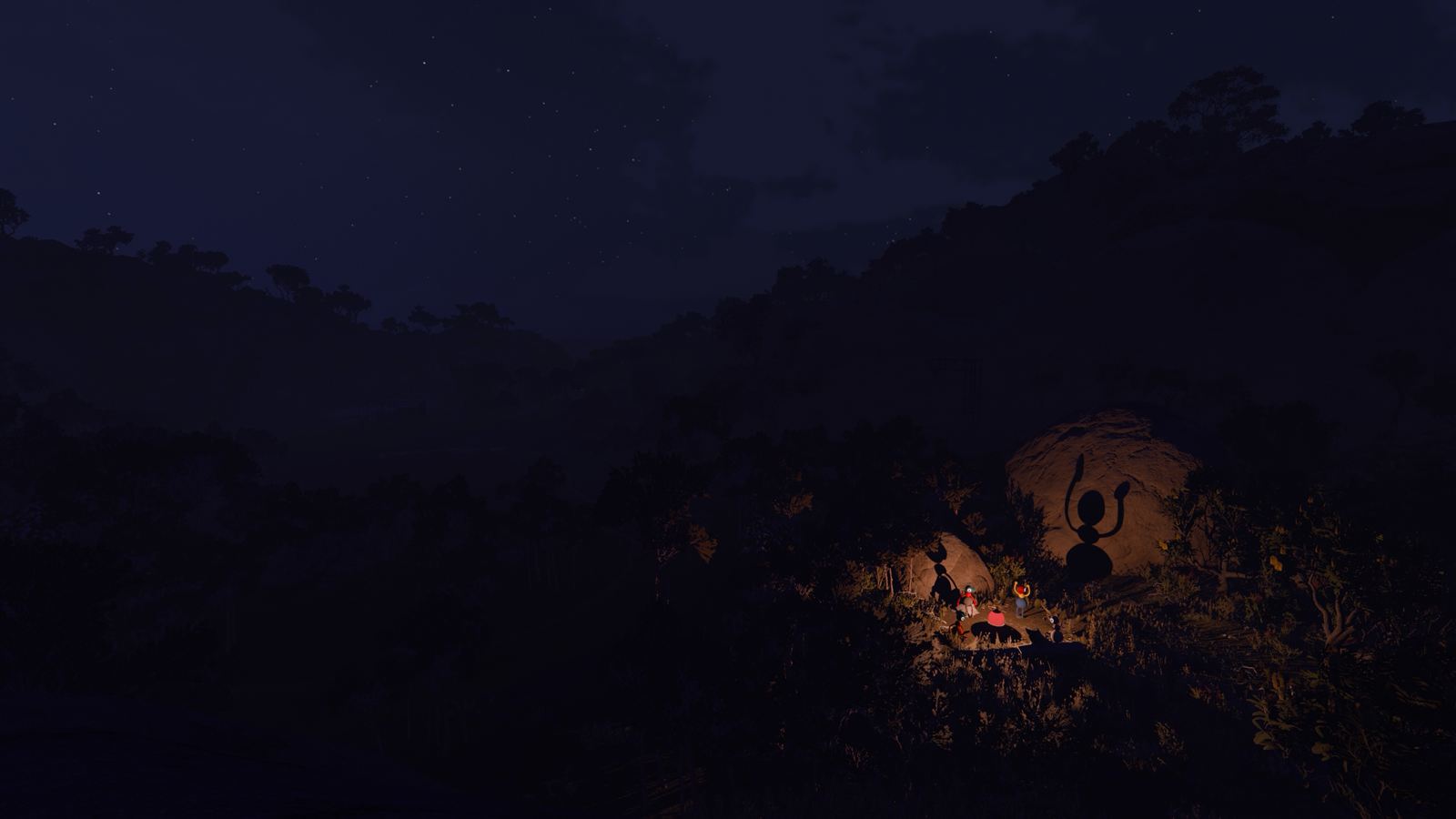
Big Walk ist ausdrücklich als handgefertigtes Koop-Abenteuer konzipiert, das von Anfang bis Ende mit einer Gruppe Freunden gespielt werden soll. Diese Formulierung aus der offiziellen Beschreibung ist wichtig: Das ist ein endliches Spiel mit einem echten Ende, keine endlose Schleife. Rezensenten, die das Finale erreichten, beschreiben es als unerwartet emotional — einer verbrachte die letzte Stunde unter Freudenweinen durch eine finale Rätsel-Gauntlet — und mehrere erwähnen ein Element nach dem Spielende jenseits des Hauptendes, für das ihre Gruppen eine Folgesitzung ansetzten.
Weil es eine einmalige Kampagne ist, spielt sie am besten mit einer festen Gruppe über mehrere Sitzungen, nicht in zufälligen Pickup-Gruppen. Das Spiel baut auf sich selbst auf: Wissen und gemeinsame Sprache aus einer Sitzung helfen in der nächsten, und Kotakus Rezensent warnt ausdrücklich davor, Leute rotieren zu lassen, weil das Erlebnis sich kumulativ aufbaut. Das Spiel passt Rätsel an eure Gruppengröße an — der Host wählt jedes Mal ein Format für zwei, drei oder vier plus —, sodass ein fehlender Freund keinen Abend ruiniert; die reichste Erfahrung bleibt aber eine beständige Truppe.
Der Spielstand hängt am Host
Ein Schlüsselfaktor für eure Abschlusszeit ist die Terminplanung, weil die Spielstandsdatei an den Host gebunden ist. Wer die Kampagne startet, besitzt den Spielstand — das Spiel speichert automatisch, und nur die Kopie des Hosts hält den Fortschritt — und die Gruppe kann genau diesen Spielstand nur fortsetzen, wenn der Host online ist und die Sitzung startet. Rezensenten markierten das als echte Reibungsstelle: Wenn eure Gruppe spielen will, der Host aber nicht kann, überspringt ihr entweder den Abend oder startet einen separaten Spielstand — was praktisch ein neuer großer Spaziergang ist.
Für eine Kampagne von ~20 Stunden heißt das: Wählt einen verlässlichen Host und legt einen festen Spieleabend fest. Kotakus Rezensent formulierte es als direkte Verordnung: Lasst alle etwa einen Monat lang eine Nacht pro Woche hergeben und nutzt diese Zeit, um gemeinsam einen Big Walk zu machen. Die Verfügbarkeit des Hosts bestimmt effektiv das Tempo eurer Gruppe — wählt also die Person mit dem stabilsten Zeitplan, nicht mit der schnellsten Verbindung.
Wie Sitzungen funktionieren
Big Walk wird in gehosteten Sitzungen gespielt, und ihre Form betrifft euren Kalender mehr als eure Gesamtstunden. Wenn der Host das Spiel startet, wählt er den bestehenden Spielstand (oder benennt einen neuen) und ein Sitzungsformat — zwei, drei oder vier plus Spieler —, was einige Rätsel so anpasst, dass sie mit denen lösbar sind, die an dem Abend da sind. Ihr könnt zwischen Sitzungen die Formate wechseln, ohne den Spielstand zu beschädigen, sodass ein fehlender Freund die Rätsel verkleinert statt den Abend abzusagen.
Das Speichern selbst ist unsichtbar: Das Spiel speichert automatisch, und niemand — Host eingeschlossen — drückt einen Speicher-Knopf. Der Fortschritt macht einfach dort weiter, wo der Host die Datei das nächste Mal öffnet.
IGN stellt fest, dass man mitten in der Kampagne leicht in eine Sitzung ein- und aussteigen kann, aber der Rat über alle Reviews hinweg geht in dieselbe Richtung: Tut es nicht. Das Erlebnis baut auf sich selbst auf, und die gemeinsame Sprache, die eure Gruppe in der letzten Sitzung entwickelt hat, ist die eigentliche Ausrüstung für die nächste. Ein stabiler Stamm ist mehr wert als ein großer.
Was eure Spielzeit verlängert oder verkürzt
Mehrere Dinge dehnen oder stauchen Big Walks Länge:
- Gruppengröße — größere Gruppen erzeugen mehr Chaos und brauchen tendenziell länger pro Rätsel, haben dabei aber mehr Spaß. Kotaku schlägt fünf oder sechs Spieler für die reichste Erfahrung vor; IGNs Kerntrio war schneller.
- Sitzungsformat — Rätsel passen sich an zwei, drei oder vier plus Spieler an, was die Koordinationszeit pro Rätsel leicht verändert.
- Wie viel ihr streift — Big Walk belohnt Erkunden; Gruppen, die jeder Neugier nachgehen, brauchen länger.
- Sich verlaufen — die offene Welt hat keine Quest-Marker, und getrennt zu werden ist häufig. Das Wiederfinden frisst Zeit (genießbar).
- Bewegungsreibung — Rezensenten merken an, dass bergiges und felsiges Gelände eure Figur festhängen lassen kann, was kleine Verzögerungen verursacht.
Eine fokussierte Zwei-Spieler-Gruppe könnte am unteren Ende finishen; eine weit verstreute, erkundende Sechser-Gruppe kann deutlich über 20 Stunden laufen.
Big Walk ist nicht auf dieselbe Weise wiederspielbar
Wichtig zu wissen: Rezensenten beschreiben Big Walk überwiegend als Einmal-Erlebnis. Seine Kraft kommt aus Überraschung und Entdeckung, und sobald eure Gruppe die Rätsel kennt, ist viel der Magie verbraucht. Ein Rezensent sagte, er könne sich ein zweites Spielen nicht vorstellen, denn „sobald man die Tricks kennt, kann man sich nicht noch einmal von ihnen überraschen lassen." Der Kompromiss wird als Kompliment formuliert — die Erinnerung an das Überraschtwerden dieses einen und einzigen Mal ist das Produkt.
Die von Rezensenten erwähnten Inhalte nach dem Spielende sind die eine Ausnahme, und man behandelt sie am besten als Zugabe der Kampagne statt als Anfang von irgendwas Längerem. Kotakus Gruppe beendete das Ende und machte sich sofort in der Folgewoche Zeit, zurückzukehren und zu sehen, was die Insel sonst noch bereithielt.
Plant also eure Zeit für einen reichen Durchlauf statt mehrerer Läufe ein. Wenn ihr nach den Credits mehr Big Walk wollt, sind die Post-Game-Inhalte und die eigenen Geschichten eurer Gruppe das Angebot — kein frischer Lauf über dieselbe Insel.
FAQ
Wie lange dauert es, Big Walk durchzuspielen?
Etwa 11 Stunden für die Hauptstory laut HowLongToBeats Spielerschnitt, mit schnelleren Guide-Schätzungen von 7–10 Stunden für eine eingespielte Koop-Truppe.
Wie lange dauert 100 % in Big Walk?
Rund 20 Stunden — jedes Rätsel, die Sammelobjekte, die 13 Trophäen und die Inhalte nach dem Spielende.
Kann man Big Walk in einem Rutsch durchspielen?
Nicht komfortabel — und das solltet ihr nicht versuchen. Der Spielstand hängt am Host, Rezensenten verordnen grob eine Nacht pro Woche für etwa einen Monat, und das Herumstreifen zwischen den Rätseln ist der Punkt des Spiels.
Verändert die Gruppengröße die Spieldauer von Big Walk?
Ja. Größere Gruppen erzeugen mehr Chaos und brauchen länger pro Rätsel (mit mehr Spaß dabei); Kotaku schlägt fünf oder sechs Spieler für die reichste Erfahrung vor, während ein fokussiertes Duo am schnellsten am unteren Ende des Bereichs landet.
Ist Big Walk wiederspielbar?
Größtenteils nein — Rezensenten beschreiben es als Einmal-Erlebnis, das auf Überraschung gebaut ist. Die Inhalte nach dem Spielende sind die Zugabe, keine zweite Kampagne.
Zusammenfassung
Big Walk dauert etwa 11 Stunden für die Hauptstory und rund 20 Stunden für 100 %, laut HowLongToBeat-Spielerdaten und Rezensenten-Tempo. Es ist eine endliche Koop-Kampagne von Anfang bis Ende, die am besten mit einer festen Gruppe über etwa einen Monat wöchentlicher Sitzungen gespielt wird. Der Spielstand hängt am Host — wählt also einen verlässlichen. Es ist eher ein einmaliges Erlebnis als ein wiederspielbares — genießt den einzelnen Lauf.
Quellen
- HowLongToBeat — How long is Big Walk? (von Spielern eingereichte Durchschnitte: ~11 h Hauptstory, ~20 h Abschluss)
- IGN-Review — „fast 20 wunderbare Stunden" mit einer Kerngruppe von dreien
- Kotaku-Review — ~20 Stunden mit einer größeren Truppe; die eine-Nacht-pro-Woche-Verordnung
- TheGamer — Big Walk review (7–10-Stunden-Schätzung mit einer fähigen Truppe)
- games.gg — Big Walk trophy list guide (~8 h Hauptstory, ~15 h vollständiger Abschluss)
VERWANDTE BIG WALK THEMEN
Diese verwandten Seiten vervollständigen das Bild: