House House
Big Walk stammt von House House, dem Studio aus Melbourne hinter Untitled Goose Game, veröffentlicht von Panic.
House House ist das australische Independent-Studio hinter Big Walk und der Entwickler des Überraschungshits Untitled Goose Game. Sie sind ein kleines Team, bekannt für kurze, eigenwillige, charaktergetriebene Spiele, die eine simple Mechanik in ein denkwürdiges Erlebnis verwandeln. Mit Big Walk — veröffentlicht zusammen mit Panic — brachten sie ihr kooperatives Kommunikations-Abenteuer am 4. August 2026 heraus und wandten dieselbe Designphilosophie aus Zurückhaltung und Charme auf ein Multiplayer-Rätselspiel an. Hier findest du den Hintergrund zu House House, ihre bisherige Bilanz und wie Big Walk in ihren Stil passt.
Wer ist House House?
House House ist ein Independent-Spielestudio mit Sitz in Melbourne, Australien. Es ist bekannt als kleines, kreativ getriebenes Team, das fokussierte, originelle Konzepte über Größe oder Trends stellt. Ihre Spiele teilen eine erkennbare Sensibilität: klare Artdirection, Humor, zugängliche Mechaniken und die Weigerung, ein Spiel über seine natürliche Länge hinaus zu strecken. Diese Identität hat sie zu einem der angeseheneren Indie-Studios der Gegenwart gemacht.
Für Big Walk ging House House eine Partnerschaft mit Publisher Panic ein (bekannt für sowohl Spiele als auch die Playdate-Handheld-Konsole), der die Publishing-Aufgaben übernimmt, während House House die kreative Kontrolle behält. Diese Paarung zeigt sich in der gesamten Presseberichterstattung des Spiels, in der Screenshots und Videos gemeinsam House House und Panic zugeschrieben werden. Diese Entwickler-Publisher-Beziehung entspricht der Art, wie House House seine Arbeiten zuvor einem breiten Publikum gebracht hat.
Die Bilanz des Studios
House House ist vor allem bekannt für:
- Untitled Goose Game (2019) — ein komödiantisches Stealth-Rätselspiel, in dem man eine Gans spielt, die Dorfbewohner nervt. Es wurde ein viraler Hit, gewann einen BAFTA und etablierte House Houses Ruf, eine starke Mechanik in ein beliebtes, viel diskutiertes Spiel verwandeln zu können.
- Push Me Pull You — ein früheres lokales Multiplayer-Spiel, das bereits das Interesse des Studios an kooperativem, physischem, kommunikationsreichem Spiel zeigte — ein klarer Vorläufer von Big Walks Design-Anliegen.
Diese Geschichte ist wichtig, um Big Walk zu verstehen: Das Studio ist nicht zufällig bei einem Koop-Kommunikationsspiel gelandet. Es erkundet seit Jahren lokales, gemeinschaftliches, albernes Multiplayer, und Big Walk ist die Online-Evolution dieser Ideen. Tester, die beide Spiele gespielt haben, bemerken die Kontinuität direkt — das Rundum-Ende des Gans-Spiels, in dem die Gans eine winzige Glocke stiehlt und durch jedes zuvor besuchte Gebiet zurückträgt, setzte Erwartungen an Big Walks Finale, die das neue Spiel dann übertraf.
Wie Big Walk in House Houses Stil passt
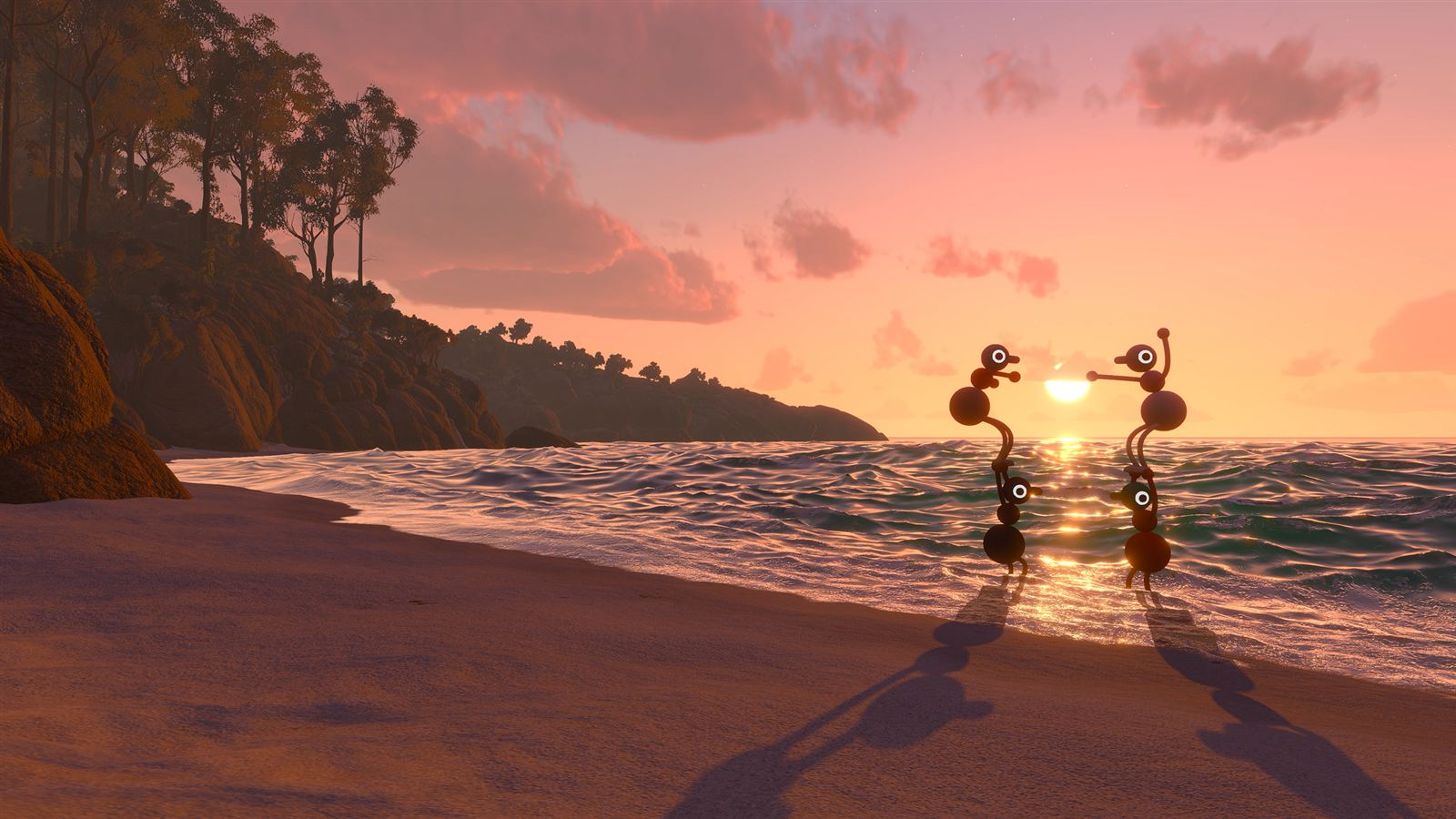
Big Walk ist auf mehreren Wegen erkennbar ein House-House-Spiel:
- Eine starke Mechanik, vollständig erkundet — wo Untitled Goose Game „sei eine Plage" war, ist Big Walk „koordiniere dich durch eingeschränkte Kommunikation". Beide bauen ein komplettes Spiel um eine einzige Idee, statt Systeme zu stapeln.
- Charme und Humor — die farbenfrohe, leicht surreale Welt und die emergente Komödie des Gruppen-Chaos sind sehr stark in der Stimme des Studios. Sogar die Feier ist charmant: Jedes gelöste Rätsel endet mit einem Party-Tröten-Hupen und einer Konfettaburst.
- Zugänglichkeit und Kürze — House House bevorzugt Spiele, die ihren Willkommen nicht überziehen. Big Walks rund 20-stündige, komplette Kampagne passt zu ihrer Vorliebe für endliche, gefertigte Erlebnisse statt endloser Live-Service-Schleifen.
- Zurückhaltung — keine Quest-Marker, keine Start-Karte, kein Handhalten. Das Studio vertraut Spielern, Dinge selbst herauszufinden, so wie das Gans-Spiel Spielern vertraute zu experimentieren.
Die offizielle Featureliste ist vielleicht das House-House-hafteste am Spiel: „Talking!", „Walking!", „Arms!!" und „An ending" — ein handgefertigtes kooperatives Abenteuer, das dazu gedacht ist, mit einer Gruppe Freunden von Anfang bis Ende gespielt zu werden. Das ist ein Studio, das selbstbewusst exakt das Spiel beschreibt, das es machen wollte.
Vom Einzelspieler zum Koop
Die bemerkenswerte Verschiebung bei Big Walk ist, dass House House von einem primär Einzelspieler-Erlebnis zu einem kooperativen Online-Erlebnis gewechselt ist. Wo Untitled Goose Game du allein gegen die Dorfbewohner war, verlangt Big Walk eine Gruppe von 2 bis 12 Freunden, die über den Umgebungs-Sprachchat kommunizieren — mit Stimmen, die über Distanzen leiser werden, durch Wände gedämpft werden, durch Korridore hallen und über Walkie-Talkies knistern. Das ist eine bedeutende Evolution für das Studio, aber es bleibt ihrem Kerninteresse treu, wie Spieler mit Systemen und miteinander interagieren.
House House erreichte diesen Punkt in einem Moment, in dem die sogenannte „Friendslop"-Welle — Indie-Spiele, die fürs Spielen mit Freunden gebaut sind — bereits in vollem Gange war. Tester bemerkten, dass Big Walk von diesem Label abseits steht: Wo vieles der Welle locker und Hangout-geformt ist, ist Big Walk sauber, aggressively ernst und sorgfältig konstruiert. Das Studio brachte die Disziplin eines Handwerkers in ein Genre, das sonst improvisiert — genau der Ruf, den es mit dem Gans-Spiel aufbaute.
Tester merken an, dass House Houses Händchen für emergente Komödie wunderbar in den Multiplayer übersetzt — der Slapstick des Gans-Spiels wird zu Big Walks kommunikativem Chaos, mit derselben Betonung spielergesteuerter Momente über skriptete Gags. Eine Rezension fing das zugrundeliegende Designprinzip ein: Ein gutes Rätselspiel lässt einen Spieler sich wie ein Genie fühlen, und Big Walk ist gebaut, um eine ganze Gruppe sich wie ein kollektives Genie fühlen zu lassen. Das ist so sehr eine House-House-Idee wie eine Rätseldesign-Idee.
Das Ende denkt denselben Gedanken weiter. Ohne zu spoilern: Wo das Gans-Spiel mit einer freudigen Rundum-Verfolgungsjagd schloss, testet Big Walks Finale alles, was deine Gruppe über Kommunikation unter Einschränkungen gelernt hat, und Tester beschreiben es als wirklich bewegend — mit einer Post-Game-Überraschung jenseits des Abspanns auf Gruppen, die noch nicht aufhören wollen.
Warum der Entwickler für deinen Kauf zählt
Den Entwickler zu kennen hilft dir, Erwartungen zu setzen. Wenn dir Ton und Fokus von Untitled Goose Game gefielen, bietet Big Walk diese Sensibilität, hochskaliert auf eine kooperative Kampagne — mit demselben Verständnis, dass das Spiel ein gefertigtes, endliches Erlebnis zum Genießen statt zum Grinden ist. Wenn du House Houses bisherige Arbeit zu leicht oder zu kurz fandest, wisse, dass Big Walk deutlich länger und ambitionierter ist, aber weiterhin ein kuratiertes Erlebnis über Content-Volumen stellt.
Es sagt dir auch etwas über den Support nach dem Release: House House ist kein Studio, das Live-Service-Content-Updates herauswürgt, und Big Walk ist als vollständiges Spiel ausgeliefert. Es gibt sogar eine leichte Post-Game-Aktivität für Gruppen, die fertig werden, aber niemand sollte kaufend ein sich evolutionierendes Content-Plattform erwarten. Was am 4. August 2026 erschien, ist das Spiel.
Denke schließlich daran, dass Big Walk ungewöhnliche Erwartungen als Nachfolge eines kleinen Studios trug: Nach einem viralen Hit maß jeder, der House Houses nächsten Schritt beobachtete, ihn an der Gans. Dass die Antwort des Studios ein Kommunikationsspiel für 2 bis 12 Spieler war — und dass Tester es als eines der besten Spiele des Jahres 2026 aufnahmen —, sagt viel über das Vertrauen, das sich das Studio verdient hat.
Zusammenfassung
House House ist das in Melbourne ansässige Indie-Studio hinter Big Walk und der Schöpfer von Untitled Goose Game. Es ist ein kleines Team, bekannt für fokussierte, charmante, charaktergetriebene Spiele, die ein komplettes Erlebnis um eine starke Mechanik herum bauen. Mit Big Walk — veröffentlicht mit Panic — entwickelte es sein langjähriges Interesse an kooperativem, kommunikationsreichem Spiel (früher zu sehen in Push Me Pull You) zu einem Online-Multiplayer-Rätsel-Abenteuer weiter, wobei es seinen Signature-Humor, seine Zurückhaltung und seine Vorliebe für endliche, gefertigte Erlebnisse behielt. Den Entwickler zu kennen sagt dir, was du erwarten darfst: ein vollständiges, kuratiertes Koop-Spiel in der unverkennbaren Stimme des Studios.
VERWANDTE BIG WALK THEMEN
Diese verwandten Seiten vervollständigen das Bild: